

There is a moment before something exists.
A strange threshold where form is not yet formed, but it is no longer pure possibility either. It hovers somewhere between invisibility and appearance. I have always been fascinated by that moment.
Angel Progress grew out of this curiosity.
The work is a triptych — three images that follow a simple unfolding:
Emergence.
Formation.
Presence.
Not as a narrative, but as a condition of existence. Everything we encounter in the world passes through some version of this sequence. Something appears, gathers structure, and eventually stands before us as if it had always been there.
The angel in this piece is not painted. It is assembled.
The image is constructed from photographic fragments of cathedral ceilings — architectural spaces designed to orient human perception toward the unseen. These ceilings are elaborate maps of transcendence: geometry, light, and structure organised to guide the eye upward.
By extracting and recombining these fragments, I allow a different form to appear.
Yet the angel itself is never fully present within the material. It exists only as a relationship between fragments. A shift in contrast. A moment of recognition in the viewer’s perception.
Without the act of looking, the angel dissolves back into architecture.
This is what interests me most: the idea that the image is not entirely created by the artist. It emerges through interaction. The viewer’s perception completes the structure.
In that sense, Angel Progress is less a representation than a demonstration.
It reveals something about how reality itself operates. The world we experience does not simply exist “out there,” waiting to be discovered. It arises through encounters — through observation, relationship, and attention.
Form appears when potential meets perception.
The triptych therefore becomes more than a compositional choice. It mirrors a deeper rhythm of becoming: the gradual crystallisation of something that previously had no definite shape.
What we call an angel may simply be the moment when structure, light, and awareness align long enough for a pattern to reveal itself.
For a brief instant, something invisible becomes visible.
And then, just as quietly, it returns to possibility.
People sometimes assume my Angels come from religion. They don’t.
They also don’t come from a desire to make something “beautiful.”
Or reverent. Or decorative.
If anything, they came from refusal. From a teenage hunger for freedom.
I remember standing alone in the middle of nowhere. No audience. No performance. Just wind against my face and the horizon cutting the world cleanly in two. Sky above. Earth below. A line dividing known from unknown.
And then something strange.
The unmistakable sensation that the vastness in front of me was not inert.
It was looking back.
That was not mystical in a religious sense. It was sober. Clear. Almost unsettling.
Reality wasn’t solid in the way adults insisted it was. It didn’t feel like a fixed stage set. It felt responsive. Alive. As if awareness was not something I possessed, but something moving through everything.
We were not separate.
That recognition stayed with me.
Years later, working in film, I would sit in dark screening rooms watching audiences respond to the smallest shifts in colour and tone. A slight adjustment in warmth. A subtle deepening of shadow. And suddenly the same scene meant something entirely different.
I saw it over and over.
Meaning is not embedded in the image.
It happens between the image and the observer.
Reality is not fixed.
Your eyes are not cameras. They are more like projectors.
You are not passively recording the world. You are participating in its formation.
The Angel series grows directly from that knowing.
The figures are not painted in the traditional sense. They are assembled. Built from fragments of cathedral ceilings — architectures originally constructed to orient the human spirit toward something greater.
I break them apart.
I rearrange them.
I allow structure to reconfigure itself into a presence that does not fully exist until you look at it.
The triptych format matters.
Emergence.
Formation.
Presence.
Potential condensing into form. Form stabilising into something we can recognise. Recognition deepening into presence.
It mirrors how perception itself works.
The question that has followed me since that horizon moment is still here:
Where does form arise — and who is responsible for its appearing?
When people stand before the Angel, something quiet often happens. Not dramatic. Not devotional. Not performative.
Just a subtle settling. As if the image is assembling itself in real time.As if order is not imposed, but revealed through attention.
This is why the work feels spiritual to some people — but not religious.
There is no doctrine here. No instruction. No hierarchy.
Just structure. Structure that allows the mind to rest. An icon without a sermon.
For me, this series is not about angels as beings.
It is about emergence.
About the mystery of how fragments become coherence.
How perception becomes meaning.
How attention becomes creation.
And perhaps most importantly —
How you are not just witnessing reality. You are actually shaping it.
If that resonates with you, stay close, the limited edition of Angel is opening soon.
And I would love to see who recognises themselves in it. ✨
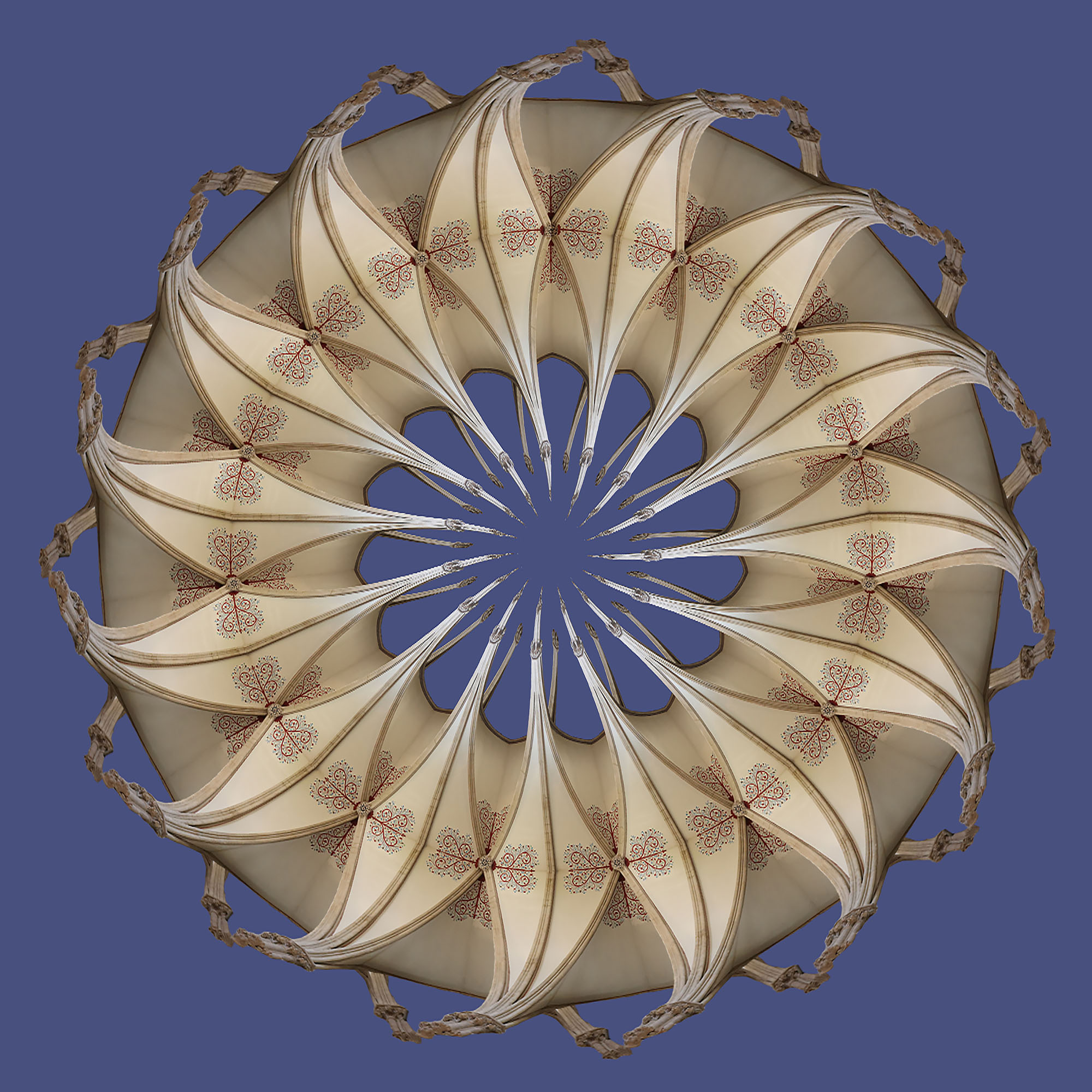
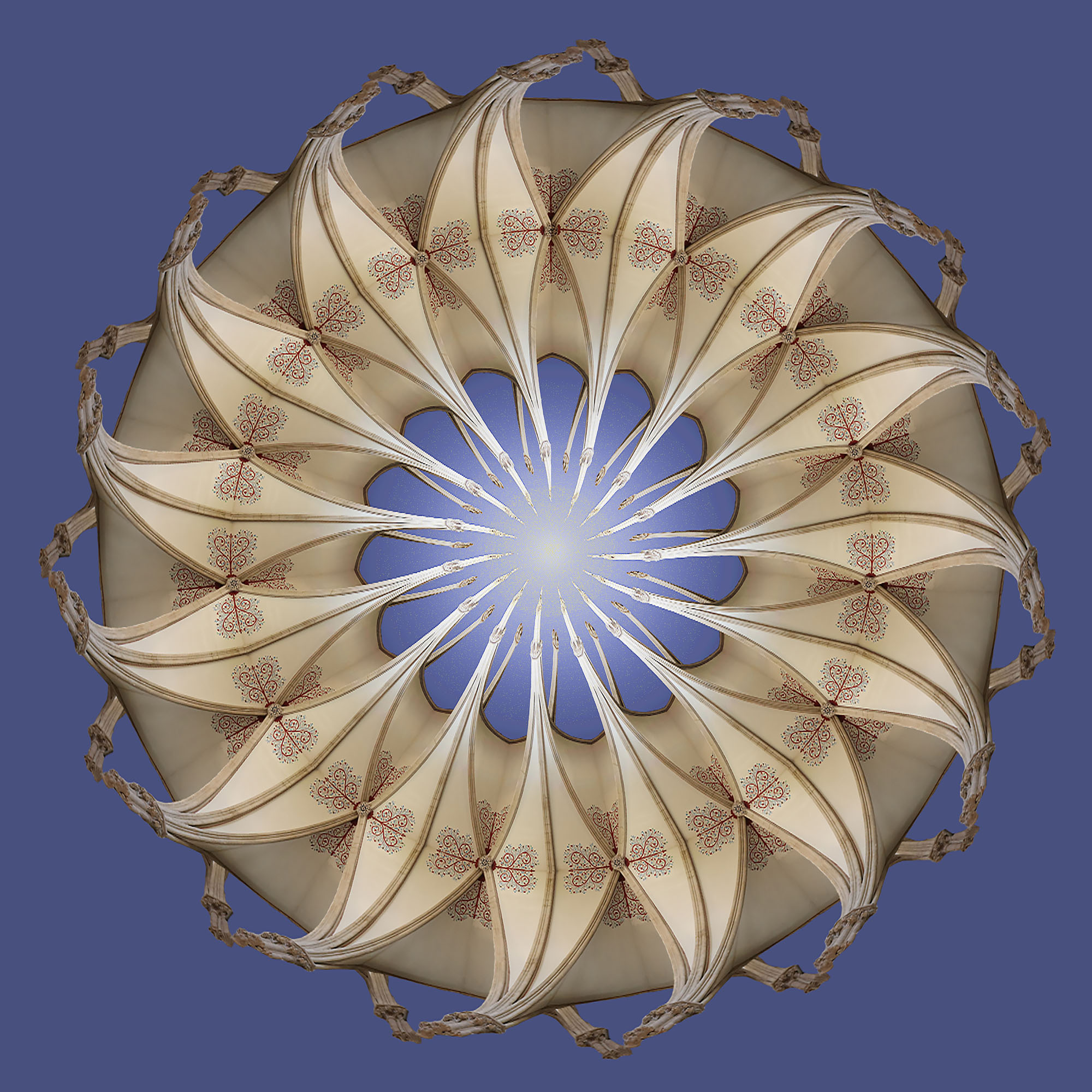

Angel Progress in Three Parts Photographic digital collage, Giclée print on Hahnemühle German Etching paper Limited edition of 20, Size: 50 × 150 cm (each panel 50 × 50 cm) Price: £800 (unframed — framing options available)
✨ Angel Progress in Three Parts is now available for sale.
If it speaks to you and you’d like to live with it, get in touch.
📧 maria@maria-agni-art.com
📞 +44 (7)552 145 680
With love and ink-stained fingers,
Maria Agni
Explore & connect
🖼️ View my work: maria-agni-art.com
📷 Follow along on Instagram: @maria_agni_art
📬 Join my mailing list for updates, studio notes, and upcoming shows
💌 Reach out for inquiries, collaborations, or conversation:


Leave a Reply